On the University of Tennessee, Knoxville’s 910-acre campus in the rolling hills of East Tennessee, summer landscape work comes with its share of challenges. Facilities Services Landscape Services maintains everything from wide-open lawns to steep, difficult-to-reach embankments, often in hot weather and on terrain that is not especially mower-friendly.
To meet those challenges, the team uses a range of tools and technology, including remote-operated mowers, autonomous mowers and other creative approaches to keeping campus grounds safe, attractive and well maintained. But sometimes, even the most advanced equipment is not the best fit for the job. When vegetation is thick and the slope is steep, the right solution can be a little more old-fashioned: goat power.
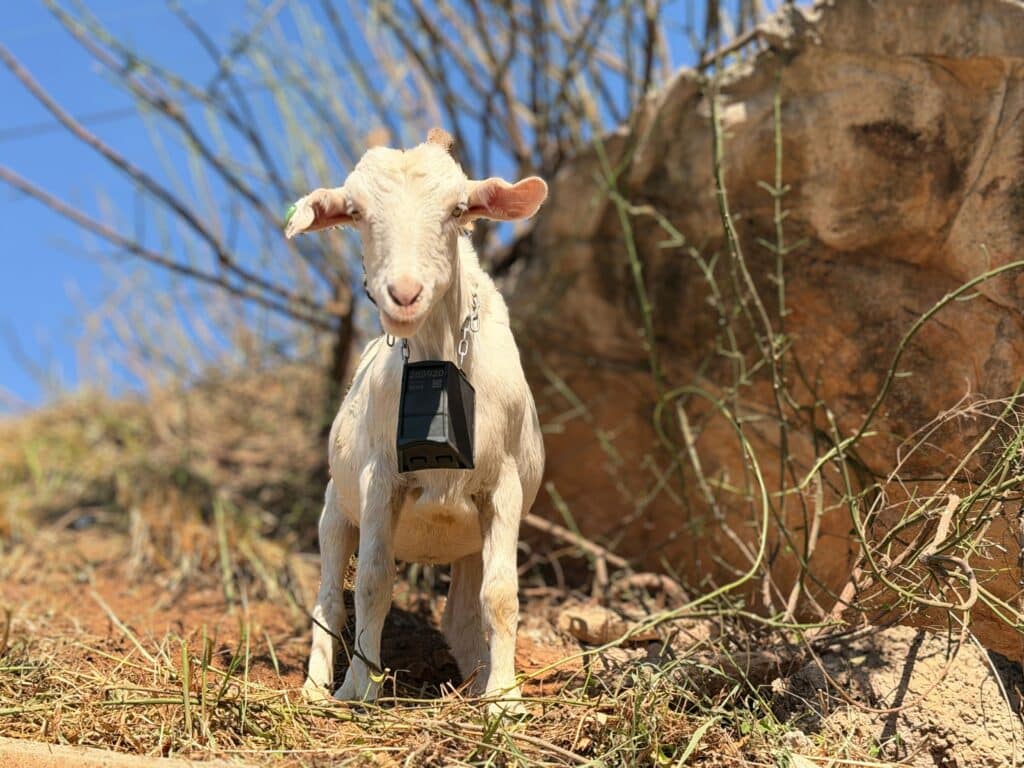
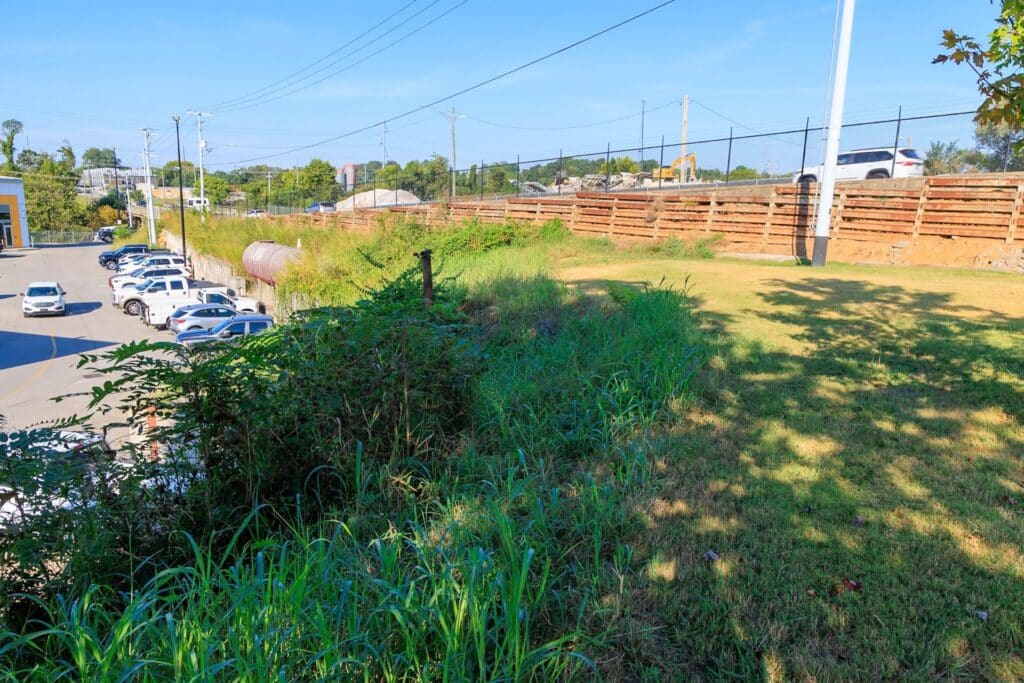
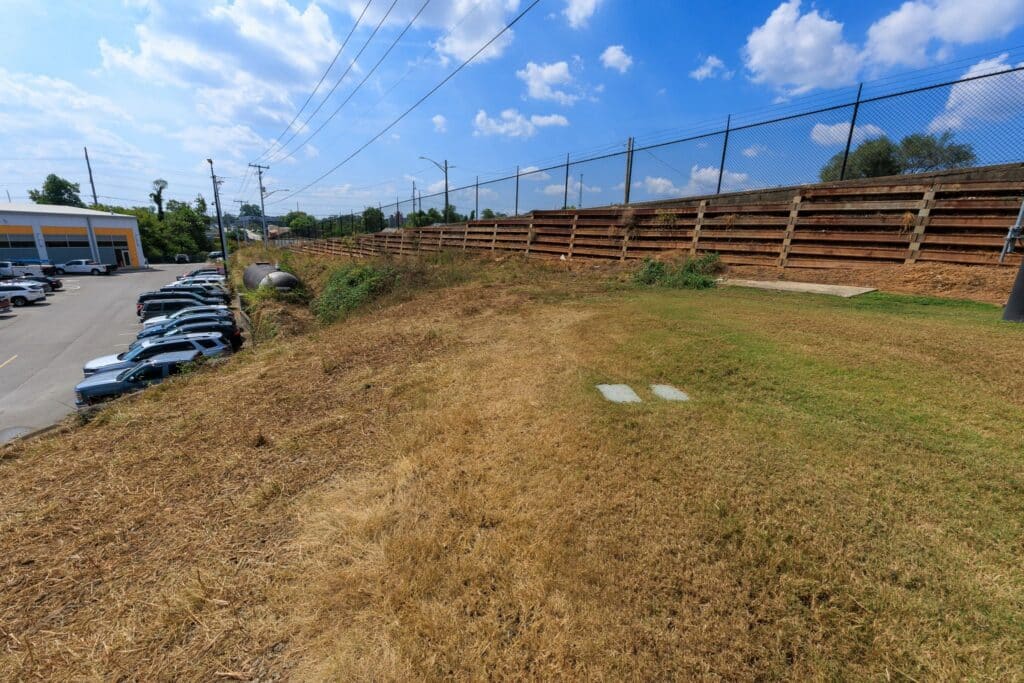
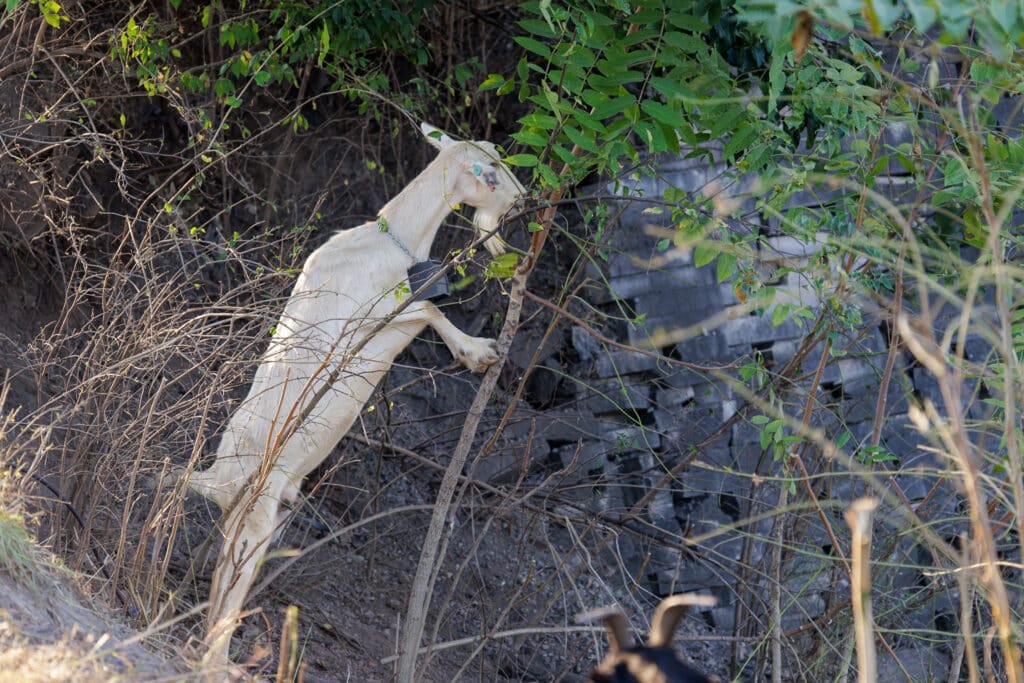
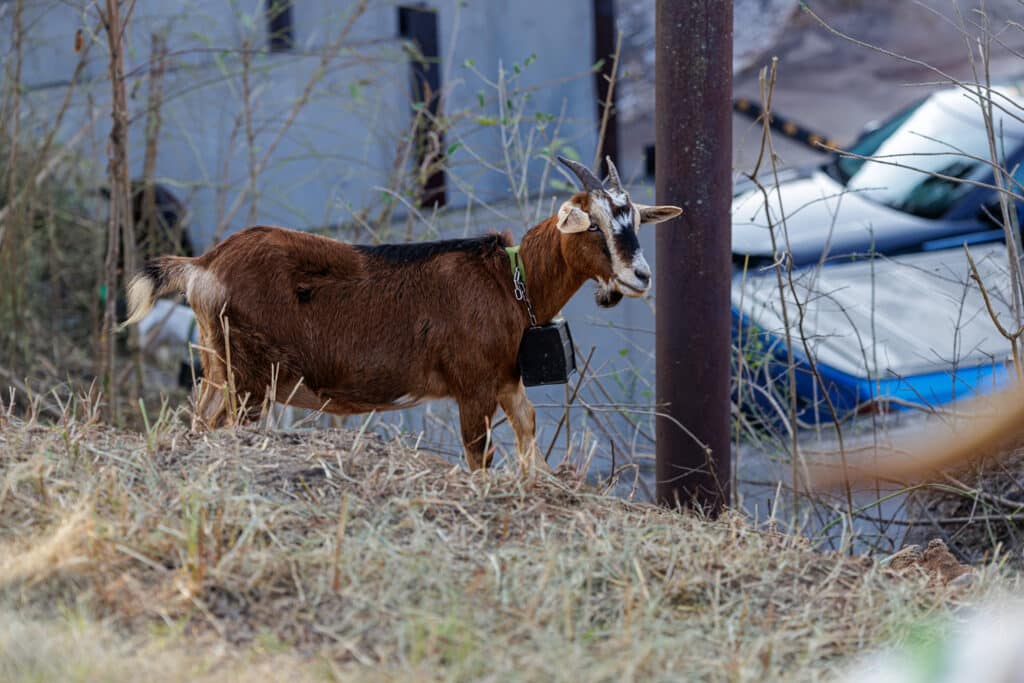
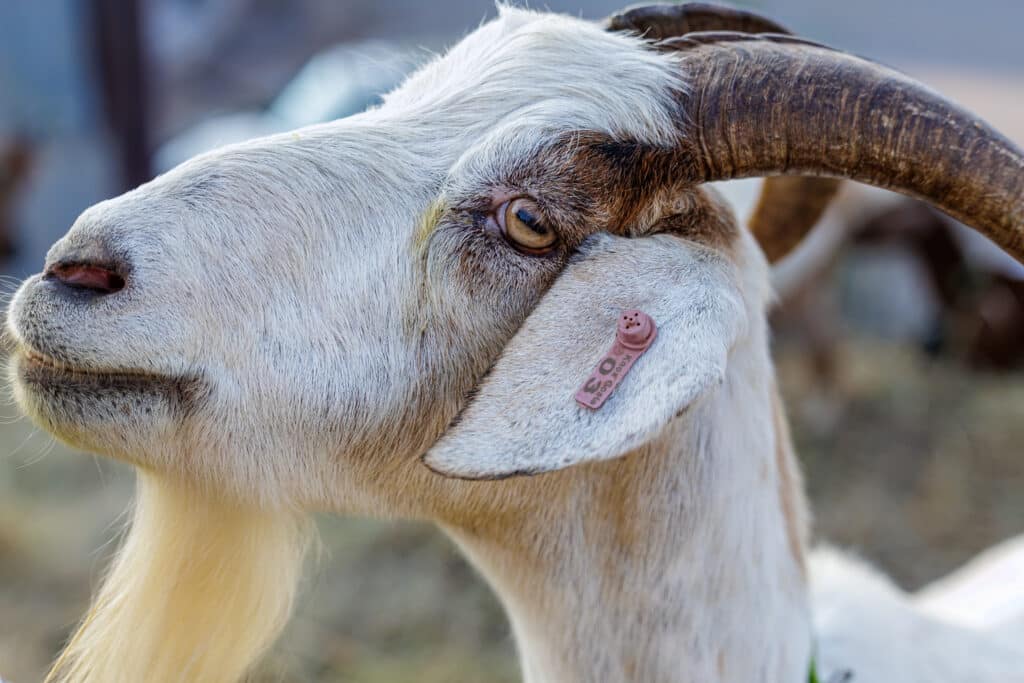
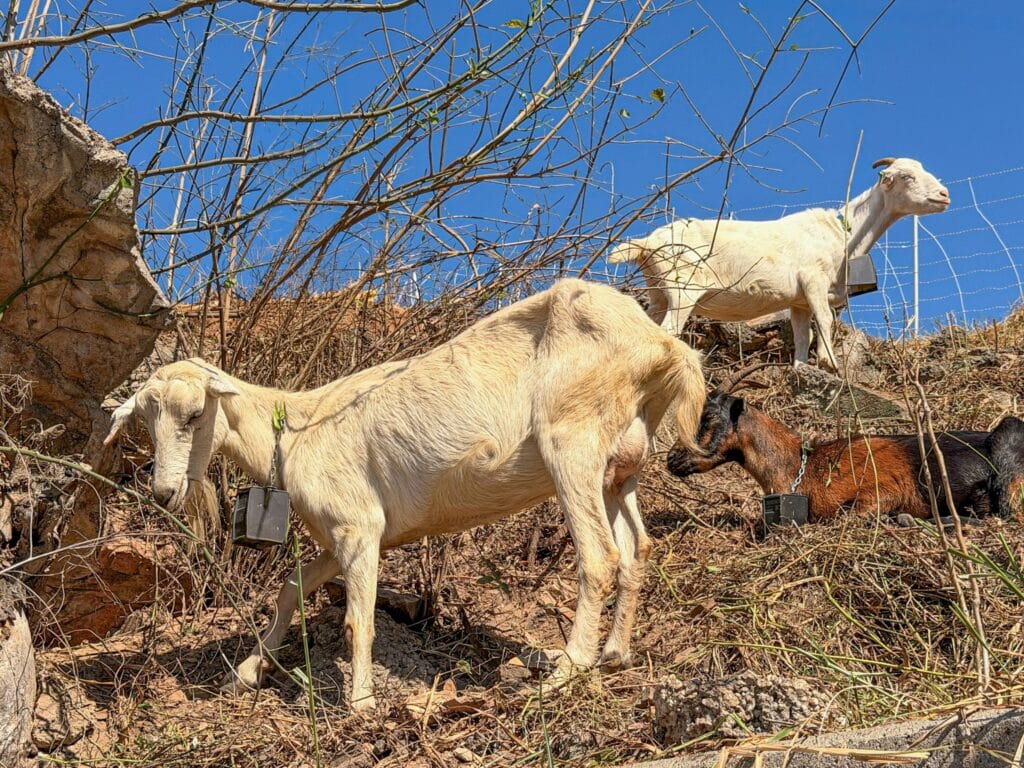
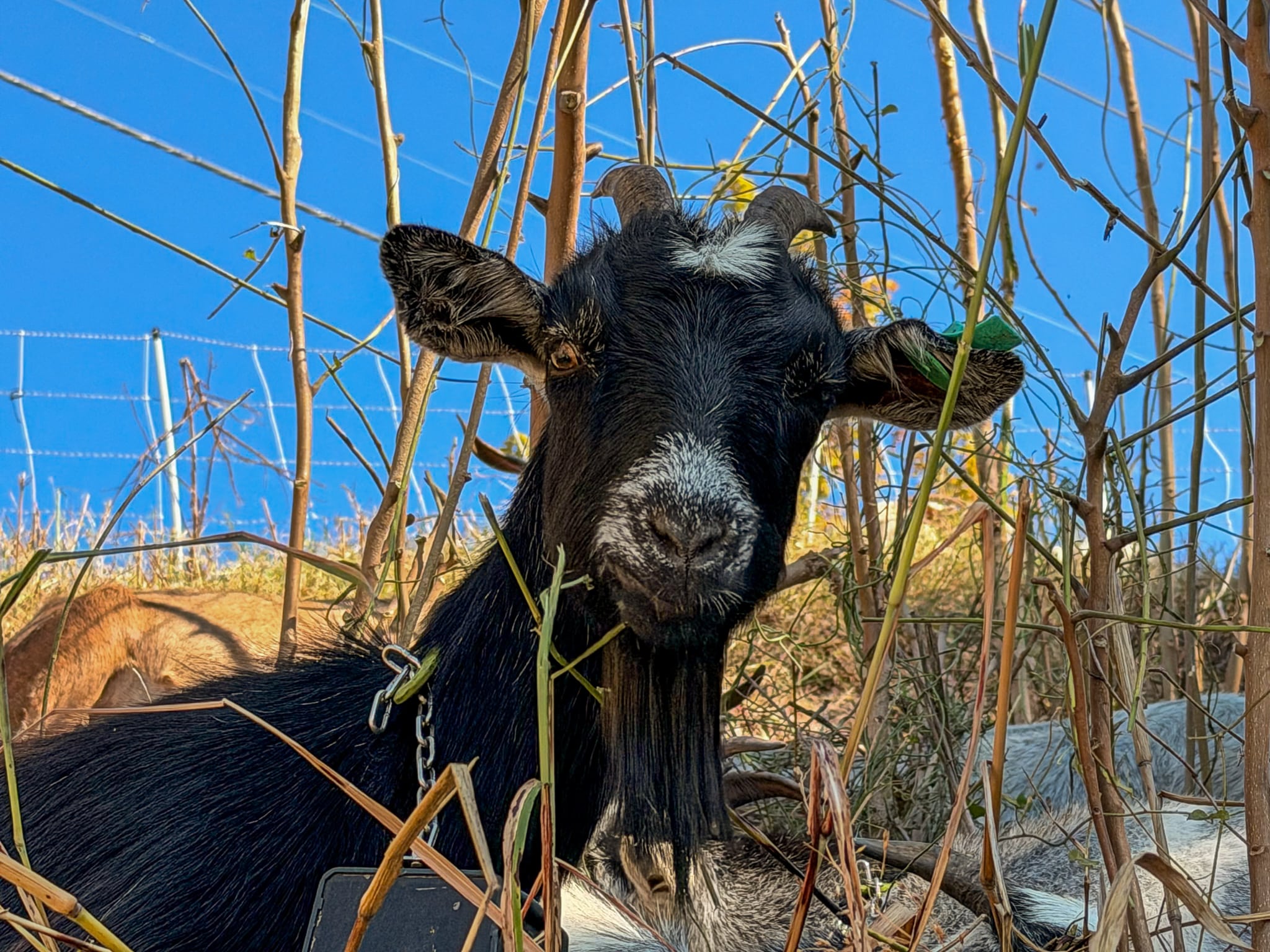
Last week, Facilities Services brought in a herd of 55 goats to clear vegetation from a steep embankment along Sutherland Avenue at the Facilities Services Complex. The goats may not have worn uniforms or carried employee ID badges, but they were every bit as busy as the rest of the Facilities Services team. Their assignment was simple. Turn tall grass, brush and other unwanted vegetation into lunch.
The goats worked within temporary fencing on the bank, allowing them to focus on the vegetation while helping keep people out of a steep work area. Visitors and staff were encouraged to admire the crew from a respectful distance and let them stay focused on the task at hoof.
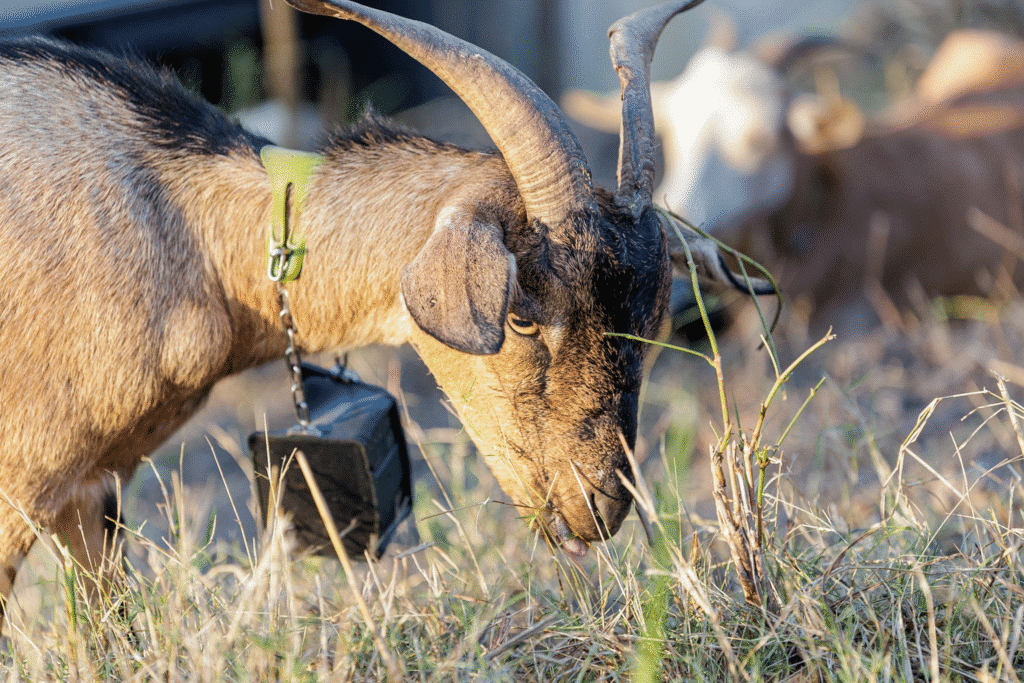
This is not the first time Facilities Services has called on goats for vegetation management. In 2019, goats helped clear kudzu along the Third Creek Greenway. Targeted grazing is recognized by UT’s Office of Sustainability as a sustainable alternative to more conventional clearing methods because it requires no fuel or power and can reduce the need for equipment on challenging terrain.
With 55 goats on the job, the herd cleared approximately one-quarter acre of high grass and brush in about two and a half days. It is an efficient solution for a difficult site, and a reminder that some of campus’s hardest-working temporary employees have four legs, a healthy appetite and very strong opinions about brush.